
In July naturally, managing summer allergies involves understanding triggers (pollen counts, virtual tours), preparing for outdoor activities, fostering creativity with natural materials, and monitoring environmental factors. Maintain a clean home, adopt healthy habits, and consult healthcare professionals for personalized relief through antihistamines, essential oils, herbal teas, and STEM activities.
With July naturally bringing warmer days and outdoor activities, it’s important to be aware of the surge in allergies that often accompanies the season. Many individuals suffer from hay fever, causing symptoms like sneezing, runny noses, and itchy eyes, significantly impacting their quality of life. This article provides a comprehensive guide on how to avoid summer allergies, offering practical strategies backed by expert knowledge. We’ll delve into understanding triggers, implementing lifestyle changes, and utilizing effective treatments to ensure you can fully enjoy the July sunshine without allergy-related discomfort.
- Understand Your Allergens: July's Culprits Unveiled
- Monitor Pollen Counts: Stay Informed This Summer
- Create a Clean Environment: Shield Your Space Naturally
- Adopt Healthy Habits: Strengthen Your Immune System
- Explore Allergy Medications: Safe Relief Options Abound
- Natural Remedies: July's Healing Herbs and Techniques
Understand Your Allergens: July's Culprits Unveiled

Understanding your allergens is a crucial first step in avoiding summer allergies. While July naturally brings a bounty of outdoor activities, it’s also prime time for certain culprits to thrive. Pollen from grass, ragweed, and various plants can spike during this month, leading to symptoms like sneezing, runny nose, and itchy eyes. To get ahead, identify your specific triggers using virtual museum tours to explore historical data on common allergens or by keeping a detailed diary of your symptoms and exposure.
Consider the unique challenges that summer presents. For instance, time spent outdoors in parks, gardens, or even at backyard barbecues can increase exposure to allergen sources. Backpack organization ideas can help mitigate this by keeping essentials like medication easily accessible. Additionally, engaging kids in art projects for ages 1-3 during these months can provide a distraction from symptoms while also fostering creativity. Think simple crafts using natural materials found outdoors—a fun way to connect with nature without aggravating allergies.
If you’re still struggling, don’t underestimate the power of science experiments at home. They offer hands-on learning opportunities that can double as stress relievers for both kids and adults dealing with allergies. For example, creating a simple solution to test different cleaning methods for allergen particles in the air not only provides valuable knowledge but also offers a sense of control over your environment.
Remember, understanding your triggers is key. Visit us at [Science Experiments at Home] anytime for more ideas that can make July an enjoyable and allergy-free experience.
Monitor Pollen Counts: Stay Informed This Summer

Staying informed about pollen counts is a powerful tool in your arsenal against summer allergies. As July rolls around, many of us look forward to warmer weather, outdoor activities, and longer days – but for allergy sufferers, it’s crucial to be aware that pollen levels can spike during this season. According to the American Academy of Allergy, Asthma & Immunology, common allergens like grass, ragweed, and tree pollen are prevalent in July, triggering symptoms ranging from mild discomfort to severe reactions. To combat this, invest time in monitoring local pollen counts. Many weather apps offer real-time updates, allowing you to plan your outdoor adventures accordingly. For instance, if high pollen levels are predicted, consider postponing strenuous activities to less allergen-friendly times or wear a mask for added protection.
In addition to app-based solutions, staying informed about local conditions through news bulletins and online resources can empower you to make proactive decisions. Keep an eye on meteorological forecasts that often include allergy alerts. These tools provide valuable insights into when and where pollen is most likely to be prevalent, enabling you to prepare and adapt your routine as needed. Think of it like planning a summer job search – you wouldn’t show up for interviews without preparation, so why approach allergy management any differently? Knowing in advance when high pollen levels are expected allows you to organize your backpack with essential items like antihistamines, a reusable water bottle (for rinsing eyes), and even a change of clothes if necessary.
Digital storytelling techniques can also be leveraged during this time. Share your experiences with local allergy conditions through social media or personal blogs. Documenting your journey not only helps others but also reinforces the importance of staying informed. Consider these insights from July educational resources: “The more we understand about our triggers, the better equipped we are to manage them.” This knowledge can be applied to various aspects of life, including navigating summer allergies with grace and efficiency. By integrating pollen count monitoring into your routine, you’re taking a proactive step towards enjoying the season to its fullest, whether it involves outdoor activities, exploring new places, or simply relaxing in your backyard.
Create a Clean Environment: Shield Your Space Naturally

To create a clean environment and shield your space naturally during July, consider implementing several practical strategies that promote air quality and reduce allergens. Start by keeping windows closed to prevent pollen from entering your home, especially during peak allergy seasons. Regularly vacuum with a HEPA-filtered vacuum cleaner to trap dust mites, pet dander, and other allergens. Focus on deep cleaning hard floors and upholstery, as these areas can accumulate invisible pollutants.
Utilize natural air purifiers like plants, such as spider plants or peace lilies, which have been shown to effectively filter out common indoor air pollutants. Additionally, consider diffusing essential oils known for their antimicrobial and allergen-fighting properties, like eucalyptus or lavender. These simple yet effective methods can significantly enhance the overall cleanliness of your living space.
In today’s digital era, explore virtual museum tours as an engaging way to educate students about environmental issues without exposing them to outdoor allergens. This innovative approach not only supports summer environmental education initiatives but also caters to student mental health resources, providing an indoor alternative for learning and exploration. To foster academic success, parents can integrate these online resources into their children’s routines, combining virtual experiences with hands-on activities to create a well-rounded educational environment.
Moreover, give us a call at our online collaboration tools to learn more about how you can actively involve your family in creating a cleaner home. By adopting test-taking strategies for these educational initiatives and leveraging the right resources, everyone can contribute to a healthier living space, ensuring a more comfortable July for all.
Adopt Healthy Habits: Strengthen Your Immune System

As July rolls around, many people look forward to sunny days and warm nights, but for allergy sufferers, this season can bring a host of discomforts. One effective strategy to combat summer allergies is adopting healthy habits that strengthen your immune system. A robust immune response is key to fighting off environmental triggers like pollen and mold spores.
Nutrition plays a pivotal role in this regard. Incorporate foods rich in antioxidants, vitamins C and D, and omega-3 fatty acids into your diet. These nutrients bolster your body’s defense mechanisms, helping it respond more effectively to allergens. For instance, vitamin C-rich fruits like citrus and strawberries can aid in reducing allergy symptoms, while omega-3s found in salmon and flaxseeds have anti-inflammatory properties that may alleviate congestion. Moreover, staying hydrated is essential; drinking plenty of water helps thin mucus membranes, making it easier for your body to expel irritants.
Time management skills are another valuable asset during July’s busy season. Balancing college preparation, research paper writing tips, and various commitments can be challenging but manageable with a structured approach. Prioritize tasks, set realistic goals, and allocate dedicated time slots for each activity. This proactive strategy ensures you stay focused and reduce stress, allowing your immune system to function optimally. For instance, scheduling creative writing prompts into your routine not only enhances your academic performance but also provides mental breaks that can contribute to overall well-being.
Consider incorporating these healthy habits into your July routine to naturally strengthen your immune system against summer allergies. If you’re seeking further guidance, visit us at creative writing workshops anytime; our expert team offers valuable insights and practical advice tailored to diverse needs, from college preparation to honing time management skills in various endeavors, including research paper writing. Data suggests that individuals with robust immune systems experience reduced allergy symptoms, making this a crucial step toward enjoying a healthier July.
Explore Allergy Medications: Safe Relief Options Abound
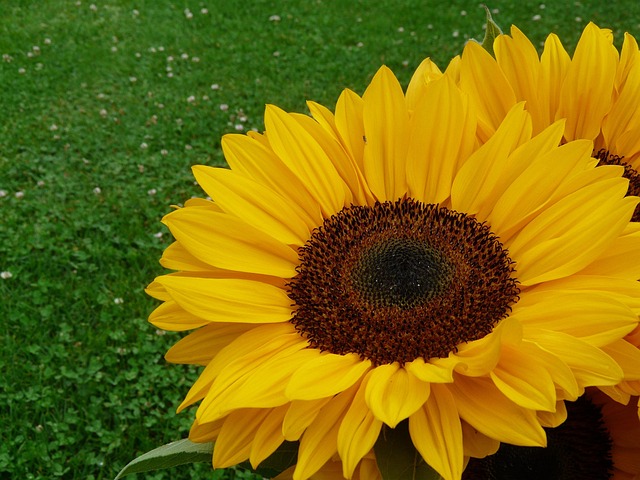
Summer can be a delightful time of year, but for many, it also brings on a host of allergies. While avoiding triggers like pollen might seem like a simple task, managing allergies effectively requires a strategic approach. Exploring allergy medications is a crucial step in achieving relief this July naturally. A wide array of safe and effective options are available, catering to different needs and preferences.
Over-the-counter antihistamines remain a popular choice, blocking the effects of histamine, a chemical responsible for allergic symptoms. Common examples include loratadine and cetirizine, known for their minimal side effects. For more severe reactions, prescription medications like corticosteroids or allergen immunotherapy can provide lasting relief. These treatments gradually desensitize your immune system to specific allergens, reducing the intensity of reactions over time.
Creative writing prompts and fun science fair ideas might seem unrelated, but managing allergies can also enhance these activities. Finding time for relaxation and engaging in enjoyable tasks, like crafting stories or experimenting with science projects, can help alleviate stress associated with allergies. Effective time management skills are key here; scheduling dedicated blocks for creative pursuits ensures they remain a priority despite allergy symptoms. Additionally, exploring outdoor hobbies during less allergen-dense times of year can foster a love for nature while minimizing discomfort. Remember, managing allergies isn’t just about relief; it’s an opportunity to enhance your overall well-being and quality of life.
For a comprehensive approach, consider consulting healthcare professionals who can offer tailored advice based on your specific needs. Online safety guidelines suggest verifying the authenticity of any health information sources. With the right tools and knowledge, you can enjoy the summer months with minimal allergy interference, embracing the season’s vibrant tapestry of experiences.
Natural Remedies: July's Healing Herbs and Techniques

Summer allergies can be a real buzzkill, but July offers a treasure trove of natural remedies to help you stay comfortable. Incorporating certain herbs and techniques into your routine can significantly reduce symptoms and allow you to enjoy the warmth and beauty of the season. One such method involves essential oils, like eucalyptus and peppermint, which have anti-inflammatory properties and can provide relief when diffused or applied topically. Another effective approach is using herbal teas, such as chamomile and licorice root, known for their soothing effects on nasal passages.
July’s vibrant flora also presents opportunities for DIY STEM activities at home. Consider experimenting with plant extracts and natural compounds to create your own allergy-relieving sprays or topical ointments. This not only offers a unique science fair idea for creative minds but also encourages an understanding of the fun, practical applications of chemistry and biology. Time management skills are crucial during allergy season; integrating these natural remedies into your daily routine can be as simple as setting aside dedicated time each week to prepare and use them.
For instance, start your day with a cup of soothing herbal tea, and before bed, use a diffuser with calming essential oils. These simple practices, combined with creative writing prompts inspired by nature, can transform allergy management into an engaging, educational experience. Visit us at science experiments at home anytime to explore more innovative STEM activities that cater to various interests, including fun outdoor adventures and indoor lab experiments. By harnessing the power of July’s natural offerings, you can take control of your allergies and enjoy a healthier, happier summer.
By understanding your specific July allergens, monitoring pollen counts, creating a clean environment, adopting healthy habits, exploring allergy medications, and embracing natural remedies, you can significantly avoid summer allergies in July naturally. These comprehensive strategies empower you to take control of your comfort and well-being during the warmest months. With this authoritative guide, you’re equipped with the knowledge to make informed decisions and live a more allergen-free life.