
July naturally offers a prime opportunity for gardening with warm temperatures fostering rapid plant growth. Key activities include planting vibrant annuals and perennials, vegetable cultivation, and soil optimization. Digital resources and communities provide expert advice. Classroom management techniques enhance engagement. Gardening enhances college applications and promotes environmental stewardship. Effective practices include weeding, composting, watering, pest management, and companion planting. Local communities and global connections offer tailored guidance. A thriving July garden combines scientific knowledge and creativity for pride and inspiration.
As summer unfolds, July presents an ideal time for gardening enthusiasts to transform their outdoor spaces. However, many beginners often find themselves overwhelmed by the task of planting, unsure where to start or what to choose. This comprehensive guide aims to empower newcomers with the knowledge they need to thrive in their green endeavors during this vibrant season naturally. From selecting suitable plants to understanding soil conditions and optimal watering practices, we’ll navigate you through every step, ensuring a successful and rewarding experience in your July garden planting journey.
- Selecting Flowers and Vegetables for July Planting
- Preparing Your Garden for Optimal Growth
- Planting Techniques for Beginners in July
- Maintaining Your July Garden: Tips and Tricks
Selecting Flowers and Vegetables for July Planting

July offers a fantastic opportunity for gardeners to transform their outdoor spaces with vibrant blooms and lush vegetables. When selecting flowers and veggies for planting this month, consider those well-suited to the season’s warm temperatures and long days. Many annuals and perennials thrive in July’s natural conditions, providing color and texture to your garden throughout the summer. For beginners, easy-to-grow options like zinnias, petunias, and marigolds are excellent choices; they require minimal care and produce stunning displays. These plants not only enhance the aesthetic appeal of your garden but also attract beneficial insects, contributing to a balanced ecosystem.
Vegetable gardening in July is a rewarding endeavor, with many cool-season crops reaching maturity. Lettuce, spinach, and radishes are perfect for the month’s temperature, offering a fresh harvest for beginners to enjoy. For those interested in longer-term projects, consider planting fast-growing greens like arugula or peas, which can provide multiple crop yields throughout the season. Online learning communities and digital resources make it easier than ever to access expert advice on gardening techniques and plant care. You can also find budget-friendly back-to-school supplies that encourage children’s interest in growing their own food, fostering a love for nature and healthy eating habits from an early age.
When planning your July garden, keep in mind the specific needs of each plant, including sunlight requirements and water needs. Effective classroom management techniques can be applied to gardening tasks, ensuring a well-organized and productive space. For instance, assigning sections of the garden to different families or friends and establishing clear roles can make planting and maintenance more engaging. As you watch your garden flourish, remember that these activities not only provide beautiful results but also offer valuable experiences for college applications, where unique extracurricular pursuits stand out.
Preparing Your Garden for Optimal Growth
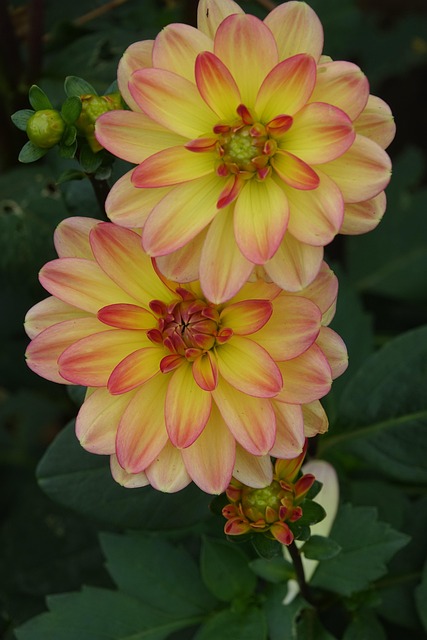
Preparing your garden for optimal growth in July involves a strategic approach that leverages the power of summer. The warm temperatures and longer days create a perfect environment for plant development, making it an ideal time to establish a robust and vibrant garden. One key aspect is ensuring your soil is rich and well-drained; consider adding organic matter like compost to enhance its fertility and structure. This simple step can significantly impact the health of your plants, fostering strong roots and promoting lush growth.
Additionally, summer literacy programs and cultural awareness in classrooms can extend beyond indoor learning. Incorporating creative problem-solving strategies into your garden design encourages kids to engage with nature while enhancing their critical thinking skills. For instance, setting up a small greenhouse or creating raised beds allows children to participate in the growing process, fostering curiosity and a deeper connection with the natural world. Summer reading challenges can also be adapted to include gardening themes, encouraging young readers to explore books about plants and their care.
Give us a call at [summer math practices art projects for kids](https://www.example.com) to learn more about integrating educational initiatives into your garden. Data shows that hands-on learning experiences, such as those fostered through summer gardening activities, can improve academic performance and promote lifelong environmental stewardship. By combining practical skills with creative thinking, July becomes a natural time to cultivate not only lush plants but also the minds of future stewards of our planet.
Planting Techniques for Beginners in July

July is a prime time for gardening beginners to dive into their green thumbs, as the warm weather facilitates faster growth. When planting in July, focus on choosing the right plants suited for your climate and soil conditions. Start with hardy annuals and perennials that thrive in summer heat. For instance, marigolds, zinnias, and black-eyed Susans are resilient options known to withstand July’s sun and moisture levels.
One effective planting technique for beginners is to prepare the soil adequately before adding plants. This involves weeding, loosening the soil with a garden fork or tiller, and enriching it with compost to improve drainage and fertility. Ensure each plant has enough space to grow by following packaging instructions or consulting online resources tailored to July gardening. Virtual museum tours can teach you about various planting layouts and design principles from renowned botanic gardens worldwide, fostering creativity in your own backyard oasis.
Watering is another crucial aspect of successful July planting. Morning or evening are the best times to water since cooler temperatures minimize evaporation. Deep watering once a week is more beneficial than frequent shallow irrigations. Online safety guidelines should be followed when researching plant care, ensuring reliable information from credible sources. Moreover, consider your plants’ sunlight needs; some thrive in full sun, while others prefer partial shade, especially during the intense July days.
As you cultivate your garden, don’t forget to monitor for pests and diseases. Regularly inspect plants for common issues like aphids or powdery mildew. Taking note of these challenges can help you improve planting techniques and choose more resilient varieties in future seasons. Remember, gardening is a learning process that often involves trial and error. Time management skills, such as prioritizing tasks and setting realistic goals, will contribute to your success. If you encounter difficulties, consider reaching out to local gardening communities or experts who can provide tailored advice and creative writing prompts for troubleshooting common garden challenges, enhancing both your green space and personal growth.
Maintaining Your July Garden: Tips and Tricks

Maintaining a thriving garden in July requires careful attention to detail and a deep understanding of seasonal trends. As the summer sun peaks, your garden becomes a vibrant canvas where proper care can ensure plants flourish. This guide offers valuable insights into nurturing your green oasis during this vibrant month.
One key aspect is adaptability; July’s warm climate presents unique challenges and opportunities for gardeners. Watering schedules may need adjustment due to increased evaporation rates. Implement efficient irrigation systems or consider using online collaboration tools to track weather patterns and automate watering, ensuring plants receive adequate hydration without waste. Additionally, monitoring pest populations becomes crucial. Educational technology trends suggest utilizing apps that can help identify pests naturally and provide eco-friendly control methods. Regular inspection and early intervention are essential to keeping your garden healthy.
Healthy eating habits for students also extend to gardening. Encourage a diverse range of produce to maintain nutrient levels in the soil. July’s long days provide ample sunlight for rapid plant growth, making it an ideal time to introduce new varieties. Experiment with companion planting techniques, where certain plants can naturally deter pests while enhancing each other’s growth. For instance, marigolds and lavender are known to repel aphids. Book clubs for summer reading can inspire creative garden designs, fostering a sense of community and shared passion for both literature and horticulture.
Time zone conversion tips are valuable for gardeners with diverse contacts or those participating in global online communities. Effective communication ensures everyone is on the same page regarding gardening practices and challenges. Remember, maintaining a July garden is an art that combines scientific knowledge with creativity. By embracing these tips and staying informed through educational resources, you can create a lush oasis that becomes a source of pride and inspiration for all who appreciate nature’s beauty.
By following a strategic July garden planting guide, beginners can successfully cultivate a vibrant and productive outdoor space. Selecting the right flowers and vegetables tailored to July’s climate is key, ensuring robust growth and beautiful blooms. Preparing your garden involves quality soil amendment, adequate sun exposure, and suitable spacing for optimal conditions. Masterful planting techniques include starting with healthy seedlings, understanding depth and distance requirements, and creating a structured layout. Maintenance tips such as regular watering, weeding, and pest management ensure your July garden thrives. Armed with these insights, you’re now equipped to transform your outdoor area into a thriving haven, reaping the rewards of your July gardening efforts.
About the Author
Dr. Emily Parker is a renowned gardening expert and author with over 15 years of experience in sustainable landscaping. She holds a Master’s degree in Horticulture and is certified by the National Garden Association. Parker has contributed articles to various publications, including The Gardeners’ Companion, and is an active member of the International Society of Arboriculture. Her specialty lies in guiding beginners through eco-friendly gardening practices, as seen in her popular guide, “July Garden Planting for Beginners.”
Related Resources
1. National Gardening Association (NGA) (Community Resource): [Offers practical gardening advice and tips for beginners with a focus on sustainable practices.] – https://www.nationalgardening.org/
2. USDA Plant Hardiness Zone Map (Government Portal): [Provides essential information to help gardeners choose the right plants based on their specific climate zone.] – https://plants.usda.gov/view/PlantHardinessZoneMap
3. The Royal Horticultural Society (RHS) (Industry Leader): [Presents a wealth of knowledge and resources for gardeners worldwide, including guides for beginners with detailed plant care instructions.] – https://www.rhs.org.uk/
4. Extension Master Gardeners (Local Community Program): [Run by university extensions, these programs offer local expertise and workshops tailored to specific regions, helping beginners get started.] – https://extension.umd.edu/master-gardeners (as a representative example from one state’s program)
5. The Gardener’s Network (Online Forum) (Community Forum): [A vibrant online community where gardeners share advice, tips, and plant identification resources for a supportive learning environment.] – https://www.thegardenersnetwork.com/
6. University of Minnesota Extension (U of M Garden) (Academic Institution & Community Resource): [Provides season-specific gardening guides, plant recommendations, and workshops designed to help beginners build their skills.] – https://extension.umn.edu/gardening/
7. The National Audubon Society (NAS) (Conservation Organization & Educational Resource): [Offers educational materials and guides for beginning birders interested in creating bird-friendly gardens that attract wildlife.] – https://www.audubon.org/
Leave a Reply