
In July, balance relaxation with engaging activities for a recharging beach getaway. Choose between bustling coastal areas for adventures or tranquil spots for serenity. DIY sunscreen offers customization and budget savings while enhancing online learning communities provide educational resources tailored for a July escape. Top destinations like Bali, Santorini, Phuket, Costa del Sol, and Whitsunday Island offer diverse experiences. Understanding sun protection involves biology, chemistry, and environmental studies; broad-spectrum SPF 30+ sunscreens protect against UVA and UVB rays. Crafting natural sunscreen at home is popular for skin health and environmental reasons. Safe sunning practices include reapplying every two hours, opting for water-resistant formulas, and incorporating educational resources. July can be a month of safe and enjoyable sun exposure through these measures.
As summer reaches its zenith in July, the quest for the perfect beach to beat the heat becomes a top priority for many. However, with an abundance of options and concerns about sun safety, finding the ideal spot can be a challenge. This article provides an authoritative guide to the best beaches for a refreshing day out during July, while also empowering readers with knowledge on making their own sunscreen – a crucial step in ensuring a safe and enjoyable experience under the sun. Prepare to discover hidden gems and learn valuable tips for sun protection, ensuring your summer days are both memorable and healthy.
- Choosing the Perfect July Beach Escape
- Understanding Sun Safety: DIY Sunscreen Guide
- Top 5 Beaches for a Hot Day Out
- The Science Behind Sun Protection
- Creating Your Own Natural Sunscreen
- Safe Sunning: Tips for a Enjoyable Day at the Beach
Choosing the Perfect July Beach Escape

July offers a perfect opportunity to escape the heat with a beach day, but selecting the ideal destination requires thoughtful consideration. The best July beach escapes cater to both relaxation and engaging activities, ensuring visitors can recharge while also enjoying enriching experiences. This is particularly important in light of the growing popularity of online collaboration tools and digital portfolio creation during these times of remote learning and educational resources, with many communities exploring ways to extend their summer learning into July.
When planning your perfect July beach getaway, location plays a crucial role. Coastal areas renowned for their vibrant, bustling atmospheres can provide an energizing backdrop for outdoor adventures, from surfing to nature walks along rocky shores or sandy dunes. Consider the type of beach environment that appeals to you – whether it’s a tranquil, secluded spot offering a more serene escape, or a lively resort town buzzing with activities and local culture. Online learning communities often emphasize the importance of hands-on experiences and immersing oneself in new environments, making a July beach vacation an excellent opportunity for both relaxation and intellectual stimulation.
To make the most of your time, pack accordingly – remember to bring sunscreen! While many coastal areas offer convenient stores, it’s always beneficial to be prepared with your own supply, especially during peak summer months. Online collaboration tools and digital portfolio creation often require consistent access to reliable internet connections; ensure you have a plan for staying connected or disconnecting, depending on your preferences. Visit us at college preparation in July to explore additional educational resources tailored to enhance your beachside learning experiences, fostering growth and discovery throughout your July escape.
Understanding Sun Safety: DIY Sunscreen Guide
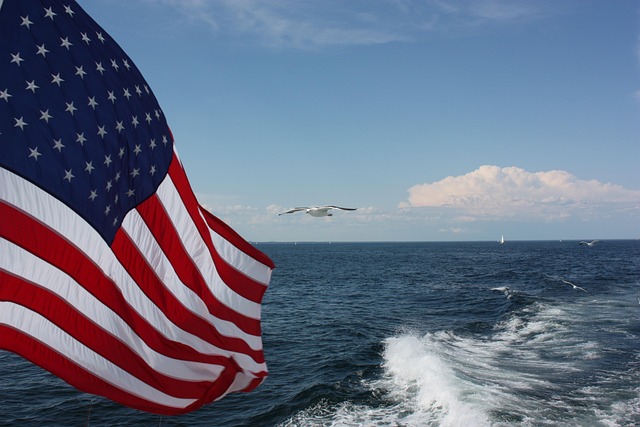
As July naturally rolls around, many of us crave a day at the beach to escape the heat. But enjoying the sun safely is paramount. While store-bought sunscreens offer convenience, understanding DIY sunscreen can empower you to create a personalized, budget-friendly option that aligns with your needs. Knowing the science behind sun protection is crucial. The sun emits ultraviolet (UV) radiation, which can damage skin cells and lead to premature aging, wrinkles, and even skin cancer.
DIY sunscreens typically combine zinc oxide or titanium dioxide, natural mineral blockers that reflect UV rays away from the skin, with carrier oils like coconut or jojoba for moisturizing benefits. Essential oils, such as lavender or tea tree, can also be added for their antibacterial and calming properties (though sensitivity testing is essential). A simple online search for “DIY sunscreen recipes” yields countless results, making it easy to find a formula that suits your skin type and preferences.
Creating your own sunscreen allows you to control the ingredients, ensuring compatibility with sensitive skin or specific dietary restrictions. Moreover, during these unprecedented times, incorporating virtual museum tours into your back-to-school strategies can provide an engaging alternative to traditional learning methods. While stockpiling essential school supplies might be on your to-do list, don’t overlook budget-friendly back-to-school options that prioritize both quality and innovation. Think beyond the obvious: explore educational apps, online tutorials, and creative DIY projects that foster learning through play. Remember that staying informed about online safety guidelines is paramount for navigating these digital spaces effectively. Give us a call today to learn more about our comprehensive online safety resources.
Top 5 Beaches for a Hot Day Out

For a scorching July day, there’s nothing quite like a trip to the beach to cool off and rejuvenate. This season, escape the heat and immerse yourself in the soothing waves at these top five beaches – perfect for a memorable hot day out. From secluded coves to bustling resorts, each offers a unique blend of relaxation, adventure, and cultural experiences that cater to every taste.
First on our list is Bali’s Kuta Beach, renowned for its vibrant atmosphere and world-class surfing conditions. This July, enjoy the warm sun and lively music while you master new skills through summer learning programs tailored for visitors. For a quieter retreat, head to Santorini’s Red Beach, known for its striking red cliffs and crystal-clear waters. Here, you can engage in creative problem-solving strategies during leisurely strolls along the scenic coastline. If seclusion is your preference, explore Phuket’s Kata Noi Beach, often hailed as one of Asia’s most beautiful beaches. Its pristine sands and turquoise waters provide an idyllic setting for relaxation and literary analysis tutorials led by local experts.
For those seeking a blend of culture and beachfront fun, consider visiting Spain’s Costa del Sol. Here, you can engage in diverse activities from water sports to exploring historic towns. Moreover, study abroad opportunities abound, allowing visitors to immerse themselves in the vibrant Spanish culture while enjoying the region’s stunning beaches. To truly experience nature’s wonder, don’t miss the chance to visit Australia’s Whitsunday Island, famous for its pristine Whitehaven Beach. This July, take a dive into the brilliant blue waters and discover a world of marine life – all while enhancing your knowledge through virtual museum tours whenever inspiration strikes.
The Science Behind Sun Protection

The science behind sun protection is a fascinating field that combines biology, chemistry, and environmental studies. Understanding how sunscreen works is crucial for making informed decisions during July’s hot days out at the beach. When sunlight hits your skin, ultraviolet (UV) rays can cause damage by penetrating the outer layers. UVA and UVB rays are the primary culprits; UVA rays penetrate deep into the dermis, contributing to premature aging and wrinkles, while UVB rays are responsible for sunburns and play a significant role in skin cancer development.
Sunscreen works as a protective barrier by absorbing or reflecting these harmful UV rays. Chemical sunscreens contain ingredients that absorb UV radiation, converting it into heat, which is then released from the skin. Physical sunscreens, on the other hand, use mineral compounds like zinc oxide and titanium dioxide to create a physical block against sun damage. The effectiveness of sunscreen depends on its SPF (Sun Protection Factor) rating, which measures how well it shields against UVB rays. For optimal protection during summer activities or a day at the beach, experts recommend using broad-spectrum sunscreens with an SPF of 30 or higher.
July often marks the peak of summer, making it a perfect time to engage in outdoor pursuits but also necessitates careful consideration for your skin’s health. College students and those on a summer job search can benefit from this knowledge as they plan recreational activities. Additionally, parents looking for ways to support their children’s academic success and mental well-being during July can incorporate these sun protection practices into family outings. For instance, teaching social-emotional learning through project-based learning ideas centered around outdoor exploration can make education engaging while promoting responsible sun safety habits. Remember that finding the right sunscreen is just one piece of a comprehensive approach to student mental health resources; it’s about parenting for academic success by fostering healthy habits that extend beyond July and into the academic year.
Creating Your Own Natural Sunscreen

In July, when the sun shines brightest, many seek refuge on the beach for a day of relaxation and fun. However, with rising awareness about the importance of skin health and environmental protection, creating your own natural sunscreen becomes an appealing alternative to store-bought options. This DIY approach allows you to select gentle, non-toxic ingredients that are kind to both your skin and the ecosystem. Digital storytelling techniques can be employed to share personal experiences of using natural sunscreens, fostering community engagement and education around this topic.
Formulating your own sunscreen involves understanding your skin’s unique needs and selecting appropriate active ingredients. Zinc oxide and titanium dioxide are widely recognized as safe and effective mineral sunscreens, offering broad-spectrum protection against both UVA and UVB rays. These minerals create a physical barrier on the skin, reflecting and scattering harmful sunlight away from deeper tissues. Unlike chemical sunscreens, which can penetrate the skin and potentially cause irritation or hormonal disruption, natural alternatives work synergistically with your body’s defenses to ward off sun damage.
Book clubs for summer reading can be an excellent platform to discuss homemade skincare recipes, including sunscreen formulations. Encouraging members to share their experiences and knowledge fosters a collaborative learning environment that extends beyond the pages of a book. Teachers, too, can benefit from professional development opportunities focused on learning styles assessments, which can help tailor sun protection advice to diverse student populations. Visiting us at [online safety guidelines](https://www.example.com/safety) provides access to reliable resources for creating and using natural sunscreens safely.
When crafting your own sunscreen, consider the following actionable steps: first, assess your skin type and choose a base oil suitable for hydration and protection. Coconut, shea butter, or jojoba oils are popular choices. Next, add a few drops of vitamin E oil as an antioxidant to neutralize free radicals generated by UV exposure. Finally, incorporate zinc oxide or titanium dioxide at a concentration recommended by dermatologists (typically 2-4%) to ensure adequate sun protection. This natural sunscreen can be stored in a sealed container for up to six months, offering an eco-friendly and cost-effective alternative to commercial products.
Safe Sunning: Tips for a Enjoyable Day at the Beach

The summer sun shines brightest in July, making it prime time for beach days. However, enjoying the sand and surf safely is paramount. Safe sunning isn’t just about avoiding a painful burn; it’s about protecting your skin from harmful UV radiation that can lead to long-term damage. This is where responsible sunscreen use becomes essential.
Before lathering up, understand the SPF rating system. Broad spectrum sunscreens protect against both UVA and UVB rays, while higher SPF values (30+), offer longer lasting protection. For July’s intense heat, opt for a water-resistant formula that lasts through swimming and sweating. Remember, reapplication is key; slather on sunscreen liberally every two hours, or after swimming or excessive perspiration.
Educational resources from trusted sources like the American Academy of Dermatology provide valuable insights into sun protection. Learning about UV index forecasts and understanding your skin’s sensitivity can empower you to make informed decisions. Moreover, incorporating healthy eating habits for students during summer breaks, such as increasing citrus intake for Vitamin C, supports overall well-being and aids in healing. Creative writing workshops can even spark imaginative stories inspired by sun-kissed beaches, providing a refreshing mental escape while adhering to safety measures.
For an enhanced learning experience, consider virtual field trips for summer that transport you virtually to diverse beach ecosystems around the world, showcasing both stunning beauty and potential hazards. By combining these educational tools with practical sunscreen tips, July can be a month of fun in the sun without compromising your skin’s health.
In this authoritative guide to the best beaches for a July day out and sun safety practices, readers have gained invaluable insights into balancing fun in the sun with protection against harmful UV rays. Key takeaways include the importance of choosing the right beach escape during July’s peak season, understanding the science behind sun protection, and recognizing the value of natural, DIY sunscreen options. The article has highlighted top beach destinations for a hot day out while emphasizing safe sunning practices through practical tips. Moving forward, readers are empowered to make informed decisions about their outdoor activities, ensuring both enjoyment and safety during July’s sunny days, naturally.